Staying One Step Ahead: Protecting Yourself from Amazon Shopping Scams

In today's rapidly evolving digital landscape, understanding and staying ahead of scam trends is more critical than ever. At Contrails, we've been closely analyzing emerging patterns in online fraud, particularly those targeting Amazon shoppers, to better equip consumers and businesses with the knowledge they need to stay safe.
In today's rapidly evolving digital landscape, understanding and staying ahead of scam trends is more critical than ever. At Contrails, we've been closely analyzing emerging patterns in online fraud, particularly those targeting Amazon shoppers, to better equip consumers and businesses with the knowledge they need to stay safe.
Emerging Scam Trends Targeting Amazon Shoppers
As online shopping continues to surge in popularity, so too do the tactics employed by scammers seeking to exploit unsuspecting consumers. Understanding these emerging scam trends is essential for staying one step ahead and protecting yourself—and others—from falling victim.
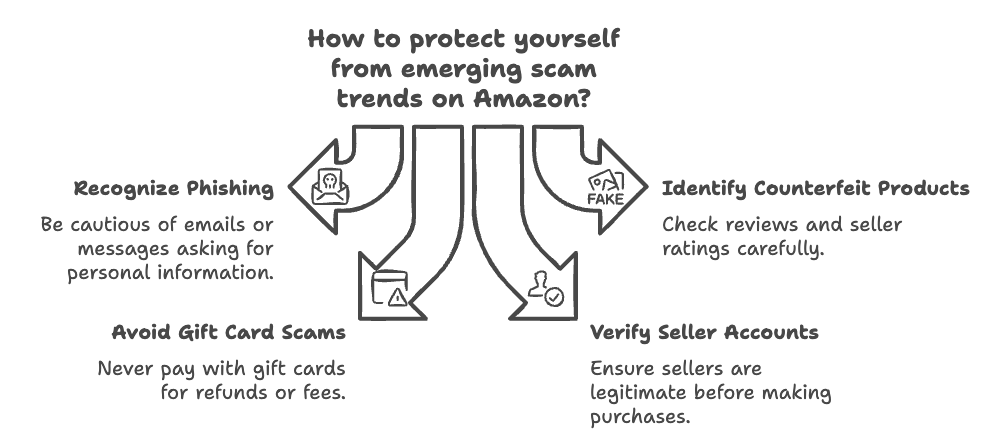
Phishing Attacks
Fraudsters are impersonating trusted platforms like Amazon through deceptive emails, text messages, or fake websites. These scams often prey on fear and urgency, using tactics such as account suspension warnings or fake order confirmations to trick users into revealing personal information or payment details.
Counterfeit Products
Scammers are capitalizing on Amazon's vast platform to sell low-quality or fake versions of popular items. Fake reviews and inflated ratings further muddy the waters, making these listings appear legitimate at first glance.
Gift Card Scams
A growing concern is the rise of gift card scams, where fraudsters pose as customer service representatives and demand payments in gift cards for refunds, fees, or prizes—a tactic that disproportionately targets vulnerable groups like elderly shoppers.
Fake Seller Accounts
These bad actors list nonexistent products, collect payments, and vanish without a trace, eroding trust in third-party sellers across the platform.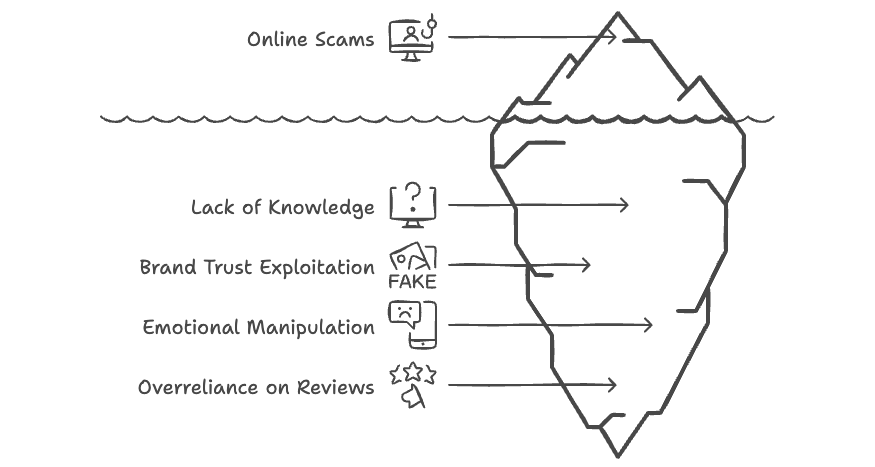
Why Consumers Fall Victim
Understanding consumer vulnerabilities is key to addressing why so many people fall victim to scams, despite increased awareness of online threats:
- Lack of Knowledge: Many consumers fail to recognize red flags in phishing emails or fake websites, such as suspicious sender addresses, misspelled URLs, or subtle design inconsistencies.
- Brand Trust Exploitation: Scammers exploit the inherent trust users place in well-known brands like Amazon by crafting communications and listings that appear official at first glance.
- Emotional Manipulation: Phrases like "Your account will be suspended" or "Act now to claim your prize" trigger panic, causing individuals to bypass rational verification steps.
- Overreliance on Reviews: Shoppers often rely heavily on product reviews and seller ratings when making purchasing decisions, unaware that these can be easily manipulated by scammers using bots or fake accounts.
Effective Strategies to Combat Online Scams
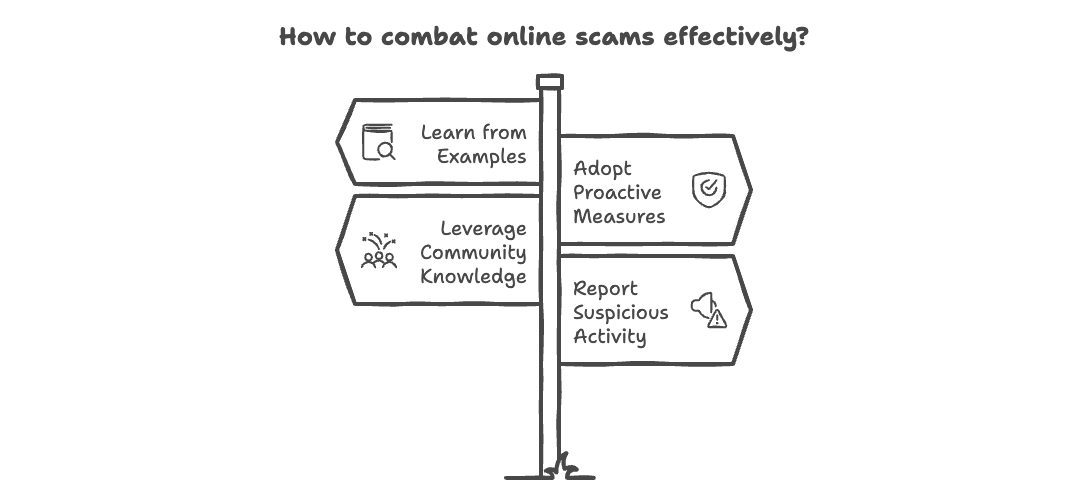
To effectively combat the rising tide of online scams, we recommend several targeted strategies:
Learn from Real Examples
Stories of individuals who have fallen victim to scams can make the threat feel more tangible while highlighting specific red flags to watch for, such as suspicious emails or fake websites.
Adopt Proactive Measures
- Always log into Amazon directly instead of clicking on email links
- Verify seller reviews before making purchases
- Avoid insecure payment methods like gift cards
- Enable two-factor authentication (2FA) on your accounts
- Regularly monitor account activity for signs of unauthorized access
- Use strong, unique passwords
- Leverage Community Knowledge
- Engage with niche communities, such as Amazon shopper forums, to foster trust and shared knowledge about emerging scam tactics.
Report Suspicious Activity
Whether to Amazon, relevant authorities, or even friends and family—reporting suspicious activity is a way to protect others from falling victim. 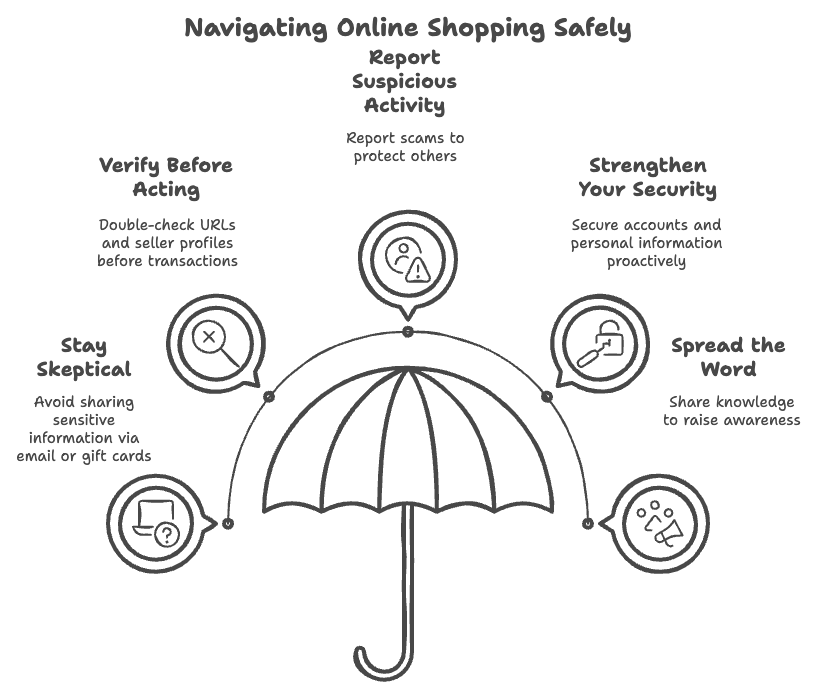
Core Takeaways for Staying Safe
When navigating the online shopping landscape, remember these essential principles:
- Stay Skeptical: Legitimate companies will never ask for sensitive information via email or demand payment in gift cards. Verify Before Acting: Double-check URLs, sender addresses, and seller profiles before engaging in any transaction or response.
- Report Suspicious Activity: Help protect others by reporting scams when you encounter them.
- Strengthen Your Security: Take proactive steps to secure your accounts and personal information.
- Spread the Word: Share your knowledge and experiences to amplify awareness and create a ripple effect of vigilance within your communities.
By staying informed about these evolving scam trends and adopting these protective measures, we can better equip ourselves to spot red flags and take proactive steps to safeguard our online experiences. At Contrails, we're committed to continuing our research and developing innovative solutions, including AI-driven fraud detection tools, to create a safer online ecosystem for everyone.
Have you encountered any suspicious activity while shopping online? Share your experiences in the comments below to help others stay vigilant.
Author: Ami Kumar, Trust & Safety Thought Leader at Contrails.ai
Ami Kumar brings over a decade of specialized expertise to the intersection of child safety and AI education, making them uniquely qualified to address the critical components of AI literacy outlined in "Building Digital Resilience." As a Trust & Safety thought leader at Contrails.ai, Ami specializes in developing educational frameworks that translate complex AI concepts into age-appropriate learning experiences for children and families.
Drawing from extensive experience in digital parenting and online gaming safety, Ami has pioneered comprehensive AI literacy programs that balance protection with empowerment—an approach evident throughout the blog's emphasis on building critical thinking skills alongside technical understanding. Their work with schools, educational platforms, and safety-focused organizations has directly informed the practical, field-tested strategies presented in the article.
Ami's advocacy for proactive approaches to online safety aligns perfectly with the blog's focus on preparing children for an AI-integrated future rather than simply reacting to emerging risks. Their expertise includes:
- Developing adaptive educational frameworks that evolve with rapidly changing AI technologies
- Creating age-appropriate learning experiences that balance engagement with critical awareness
- Building cross-functional programs that connect educators, parents, and technology developers
- Measuring educational outcomes to demonstrate both safety improvements and digital confidence
As an active participant in industry initiatives establishing best practices for AI literacy and digital wellbeing, Ami has contributed to curriculum standards now implemented in educational systems across North America and Europe. Their research on children's interactions with generative AI technologies has been featured in leading publications on digital citizenship and educational technology.
Connect with Ami to discuss implementing effective AI literacy programs that prepare young people to navigate artificial intelligence with confidence, creativity, and critical awareness.